Watercolor Indigo Flowers Clipart: A Versatile Illustration for Blog & Editorial Design
First Impressions: Soft, Feminine, and Artistic Editorial Vibe
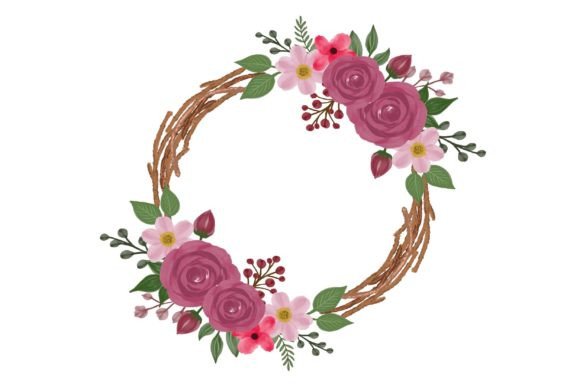
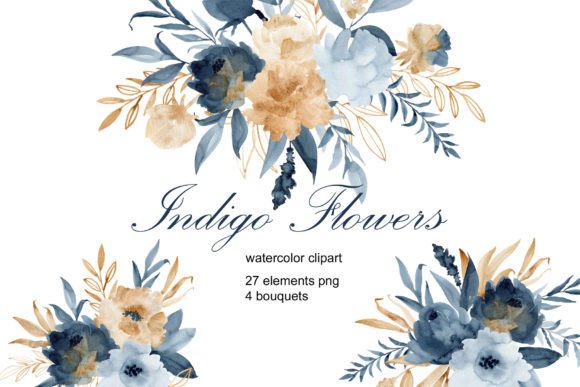
Opening the Watercolor Indigo Flowers Clipart pack feels like stepping into a botanical journal—delicate brushstrokes, rich indigo tones, and a hand-painted texture that instantly elevates the mood of any layout. As a blog designer and digital publisher, I immediately recognized the editorial potential. These illustrations carry a quiet elegance, making them ideal for lifestyle blogs, wellness content, creative entrepreneurship, and feminine-focused niches.
The watercolor aesthetic adds a touch of organic warmth, perfect for content that wants to feel personal, curated, and visually engaging. It’s not overtly playful like cartoon graphics, nor is it starkly minimal like modern vector art. Instead, it lands somewhere in between—soft enough for a cozy newsletter header, yet refined enough for a downloadable digital guide or lead magnet.
Real-World Use: From Pinterest Pins to Newsletter Banners
When I tested the Watercolor Indigo Flowers Clipart in a real blog workflow, it quickly proved its value across multiple publishing formats:
- Featured Images: Used as a background accent behind a blog title, it added a subtle visual hook without overpowering the text.
- Pinterest Graphics: Paired with bold typography, the clipart enhanced the visual hierarchy and made the pin feel more editorial and scroll-stopping.
- Newsletter Headers: Placed alongside a script font, it gave the email layout a boutique feel—ideal for creative entrepreneurs or online educators.
- Downloadable Resources: In a digital guide or worksheet, the illustrations added a professional finish that boosted perceived value.
This graphic design asset works especially well when you want to maintain a cohesive visual identity across blog posts, social media, and email content. It’s a small but powerful design element that supports brand consistency without being too repetitive.
Supporting Content Performance with Visual Clarity
From a content marketing perspective, the right design asset can significantly influence how your audience engages with your material. Watercolor Indigo Flowers Clipart contributes to stronger visual storytelling in several ways:
- Stronger First Impression: The soft watercolor effect invites readers in, creating a warm and inviting atmosphere.
- Clearer Visual Hierarchy: When layered with text, the illustrations help guide the reader’s eye without competing for attention.
- Better Click-Through Potential: On Pinterest and social media, the floral motifs stand out in feeds, increasing the likelihood of clicks.
- Consistent Branding: Repeating these visuals across blog graphics and Canva templates helps reinforce your brand identity.
For affiliate marketers and bloggers who rely on visual trust, this kind of design asset can help bridge the gap between casual browsing and meaningful engagement. It adds a layer of polish that makes content feel more credible and intentional.
Where It Shines: Visual Content That Needs Personality
After testing the illustrations across multiple formats, I found Watercolor Indigo Flowers Clipart works best in the following publishing contexts:
- Hero Images: Layered subtly behind headlines to add depth without distraction.
- Article Thumbnails: As a decorative border or background element in featured images.
- Email Newsletters: Used as a header or divider to create a cohesive visual rhythm.
- Content Upgrades: Included in lead magnets or worksheets to elevate the design and perceived value.
- Social Media Previews: Especially effective in Canva templates for Instagram Stories or Facebook posts.
It’s particularly well-suited for content creators who want to avoid the sterile look of overused stock images and vector graphics. These illustrations feel handmade and unique, which aligns with the current trend toward organic, authentic visual storytelling.
Where to Use It Carefully: Balancing Aesthetic and Function
While the Watercolor Indigo Flowers Clipart is visually appealing, it’s not a one-size-fits-all solution. Here are a few situations where it should be used with caution:
- Small Mobile Thumbnails: The fine details can get lost on tiny screens, reducing visual impact.
- Text-Heavy Blog Images: The watercolor texture may interfere with readability if not layered properly.
- Low-Contrast Backgrounds: Test with white or light text to ensure legibility.
- Busy Layouts: Avoid using it in already complex designs where it might add visual noise.
- Corporate or Technical Niches: The feminine, artistic style may not align with more formal or data-driven content.
As with any design asset, the key is to balance aesthetic appeal with functional clarity. Don’t let the beauty of the illustration compromise the usability of your content visuals.
Publisher’s Checklist: Practical Notes for Real-World Use
Before integrating Watercolor Indigo Flowers Clipart into your blog or digital product, here are some essential tests and checks to run:
- Test on Desktop and Mobile: Make sure it looks good across devices.
- Preview as a Thumbnail: Does it still read clearly at 600x400px?
- Try with Headline Text: Does it work as a background behind bold fonts?
- Check Contrast and Readability: Ensure text stands out clearly.
- Layer with Different Fonts: Test with serif, sans-serif, script, and display fonts.
- Convert to Black and White: See how it holds up without color.
- Optimize File Size: Compress the images for faster load times.
- Verify Licensing: Confirm it includes a commercial license for monetized use.
These steps will ensure your design assets not only look great but also perform well in real-world publishing environments.
Final Thoughts: A Thoughtful Addition to Your Creative Toolkit
Watercolor Indigo Flowers Clipart is more than just a decorative graphic—it’s a visual storytelling tool that enhances the editorial quality of your content. Whether you're designing a blog post, creating a digital product, or crafting a Pinterest pin, this illustration pack brings a soft, artistic touch that can elevate your brand’s visual identity.
For bloggers, content creators, and digital marketers who want to build trust and engagement through thoughtful design, this is a worthy investment. Just remember to use it with intention, test it thoroughly, and always align it with your brand’s tone and audience expectations.