Forest Farmhouse Watercolor Clipart
First Impressions: Rustic Charm with a Handmade Touch
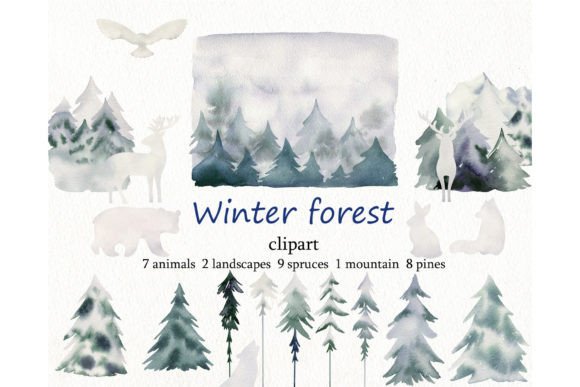
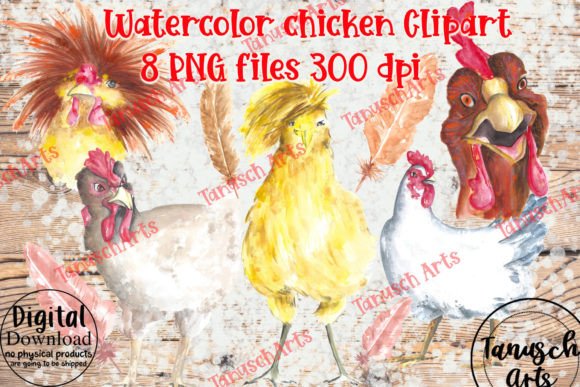
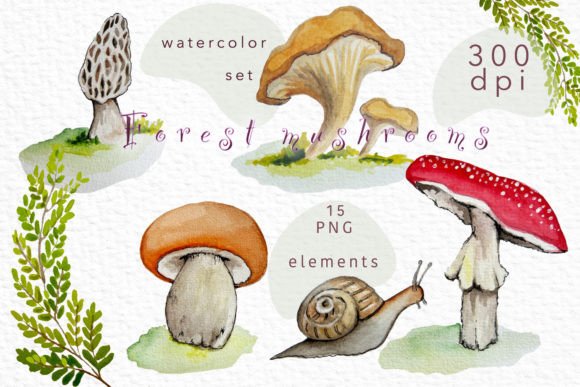
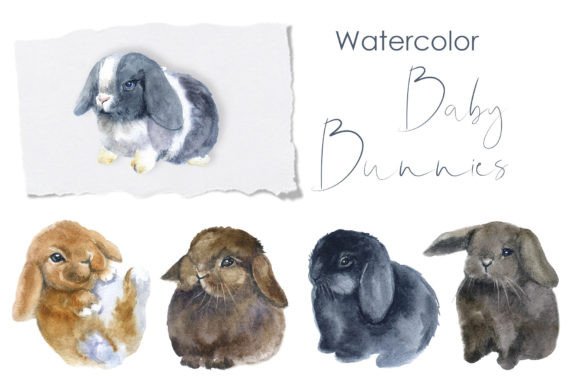
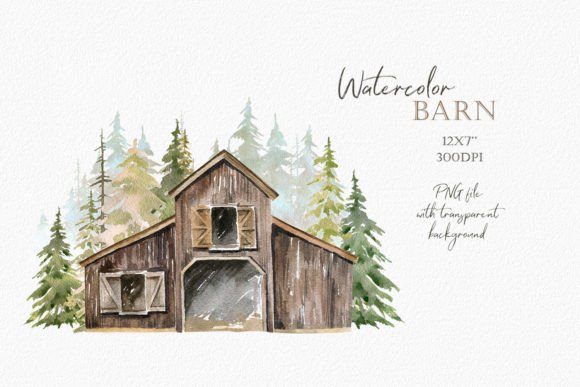
Opening the Forest Farmhouse Watercolor Clipart bundle, I was immediately struck by the warm, organic textures and soft watercolor strokes. This isn’t your typical digital clipart — it feels like it was painted by hand, with subtle variations in tone and brushwork that add depth and character. The aesthetic leans heavily into the rustic farmhouse vibe, blending natural elements like leaves, barns, chickens, and mason jars with a muted color palette that evokes earthy tones and weathered wood.
For a designer evaluating this asset for a client, the first question is always: Who is this for? The answer here seems clear — small businesses, handmade brands, local farms, seasonal markets, and Etsy sellers looking to convey authenticity, simplicity, and a connection to nature.
Visual Performance Across Design Applications
Let’s talk real-world use. I tested Forest Farmhouse Watercolor Clipart across a variety of design scenarios to see how it holds up under professional conditions:
- Logo Design: While not ideal as a primary logo, these illustrations can work beautifully as supporting graphics or secondary icons in a brand system.
- Product Labels & Packaging: The soft edges and organic shapes integrate well into eco-friendly packaging concepts. I used a chicken and mason jar combo on a mockup for a line of organic preserves — it felt warm and trustworthy.
- Canva Templates & Cricut Projects: The PNG and SVG formats are clean and scalable, making them perfect for DIY content creators and print-on-demand sellers. I dropped a few illustrations into a Canva social media template and was pleased with how easily they blended into the layout.
- Pinterest & Instagram Graphics: These visuals shine in lifestyle content. Paired with a clean sans-serif font and a warm background, they add a human, artisanal feel to digital marketing visuals.
- Printable Wall Art & Sticker Designs: Because of the detailed brushstrokes and subtle shading, these illustrations maintain visual interest even when printed at larger sizes. They also work well layered in sticker sheets or planner inserts.
Where Forest Farmhouse Watercolor Clipart Excels
This design asset is best used where a touch of nostalgia and warmth is needed. It works beautifully in the following scenarios:
- Hero Graphics: As a background or focal point in seasonal landing pages or campaign visuals.
- Themed Collections: Especially effective for autumn markets, homesteading brands, or rustic wedding themes.
- Packaging Details: Adds texture and narrative to eco-conscious or artisanal product lines.
- Printable Designs: Ideal for planners, recipe cards, and greeting cards where a soft, approachable tone is key.
- Social Media Posts: Enhances the emotional appeal of content aimed at lifestyle, wellness, or home goods audiences.
Where to Use It Carefully
Despite its charm, Forest Farmhouse Watercolor Clipart isn’t a one-size-fits-all solution. I noticed a few limitations when testing it across different client contexts:
- Small Sizes: Fine details get lost at thumbnail sizes, especially on mobile feeds. Avoid using it for app icons or tiny stickers.
- Crowded Layouts: These illustrations can easily get swallowed in busy compositions. Give them breathing room to maintain visual clarity.
- Minimalist Branding: If the client’s brand leans modern or sleek, this style might feel out of place unless used sparingly as texture.
- Corporate or Professional Materials: Not suitable for law firms, financial services, or high-tech industries where a more polished or neutral tone is expected.
Impact on Branding and Audience Engagement
When integrated thoughtfully, Forest Farmhouse Watercolor Clipart can elevate the emotional appeal of a design. It contributes to a brand’s visual trust by evoking a sense of craftsmanship and authenticity. This is especially valuable for clients in the handmade business, local food producers, or boutique shops aiming to connect with audiences on a more personal level.
From a hierarchy standpoint, these illustrations work best as supporting elements rather than dominant visuals. They help guide the viewer’s eye gently, especially when paired with bold typography or contrasting background colors. However, overuse can muddy the visual hierarchy, so balance is key.
Practical Designer Notes Before Use
Before finalizing this asset for a client, I always run a checklist to ensure quality and compatibility:
- Test in black and white: Some illustrations may lose their charm without color. Check how grayscale versions hold up.
- Check contrast on light and dark backgrounds: The soft watercolor edges may blend too much on textured or low-contrast backgrounds.
- Preview at multiple sizes: Ensure the details remain legible when scaled down for stickers or social media thumbnails.
- Place on real mockups: Use product mockups to visualize how the clipart translates to physical items like mugs, tote bags, or packaging.
- Test print quality: Print a sample to verify color accuracy and detail retention, especially for print-on-demand or packaging use.
- Review file formats: Confirm both PNG and SVG files are included and that the SVGs are properly vectorized for editing in Illustrator or Cricut.
- Inspect PNG transparency: Make sure there are no unwanted artifacts or background remnants when using on colored or patterned backgrounds.
- Pair with fonts: Works best with script fonts, handwritten styles, or warm serif fonts. Avoid pairing with ultra-modern sans serifs unless you're going for contrast.
- Confirm commercial licensing: Always verify that the clipart is licensed for commercial use, especially when delivering to clients or using in digital products sold on creative marketplaces.
Final Thoughts: A Versatile Addition to Your Design Toolkit
Forest Farmhouse Watercolor Clipart is a strong contender for designers working with clients in the lifestyle, wellness, food, or handmade niche. It brings a sense of warmth and authenticity that’s hard to replicate with digital-only assets. While it may not suit every project, when used strategically, it enhances the visual storytelling and emotional resonance of a design.
For creative professionals — from brand designers to Etsy sellers — this graphic design asset can be a valuable part of a larger visual system. Just remember to test it thoroughly, pair it thoughtfully, and license it responsibly before incorporating it into client work.